Skip to product information
1 of 2

ANS

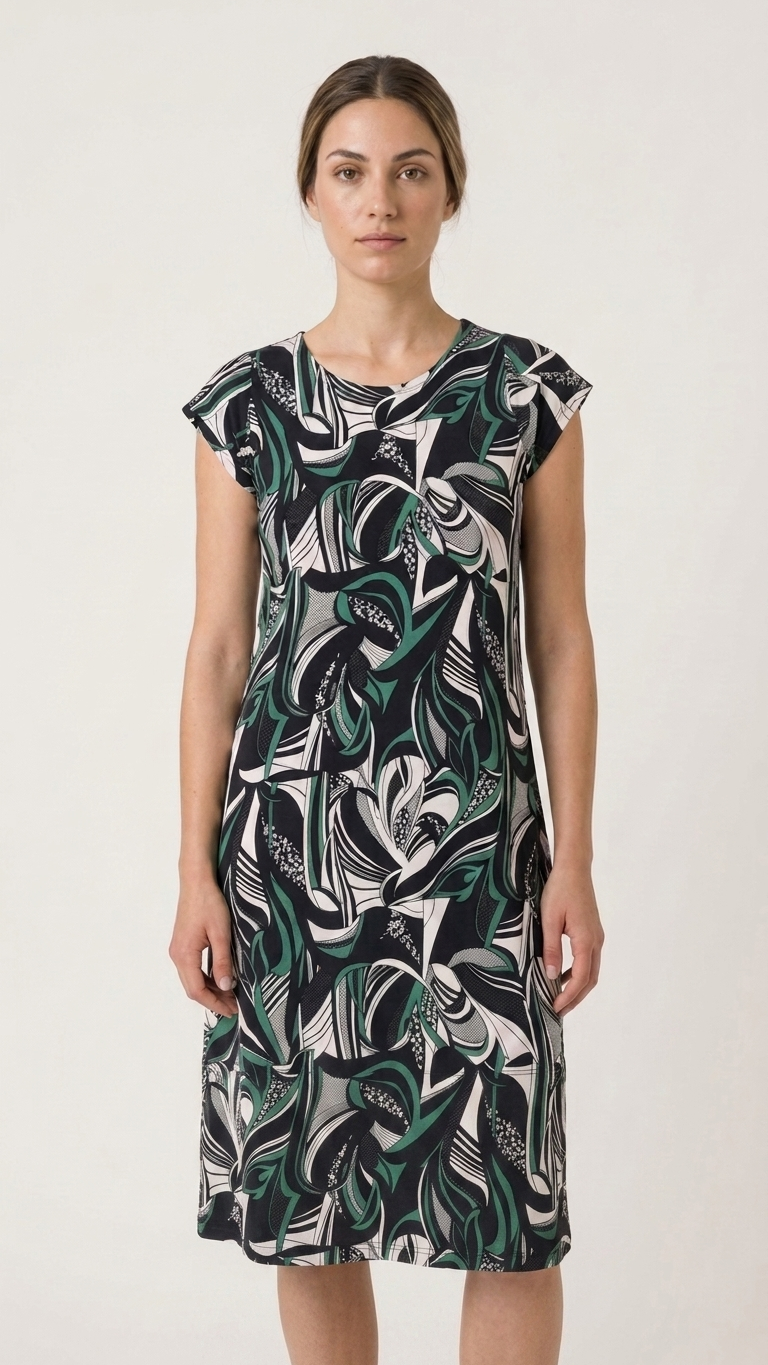
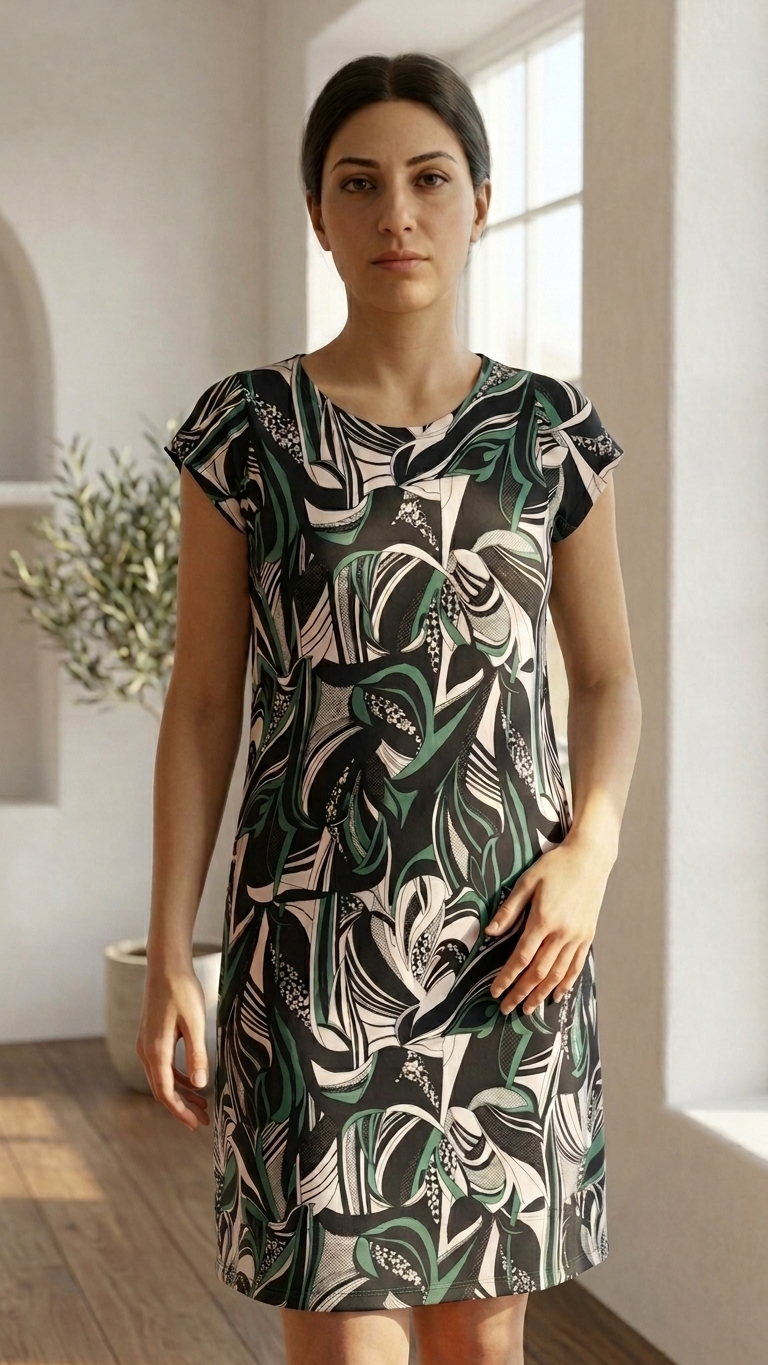
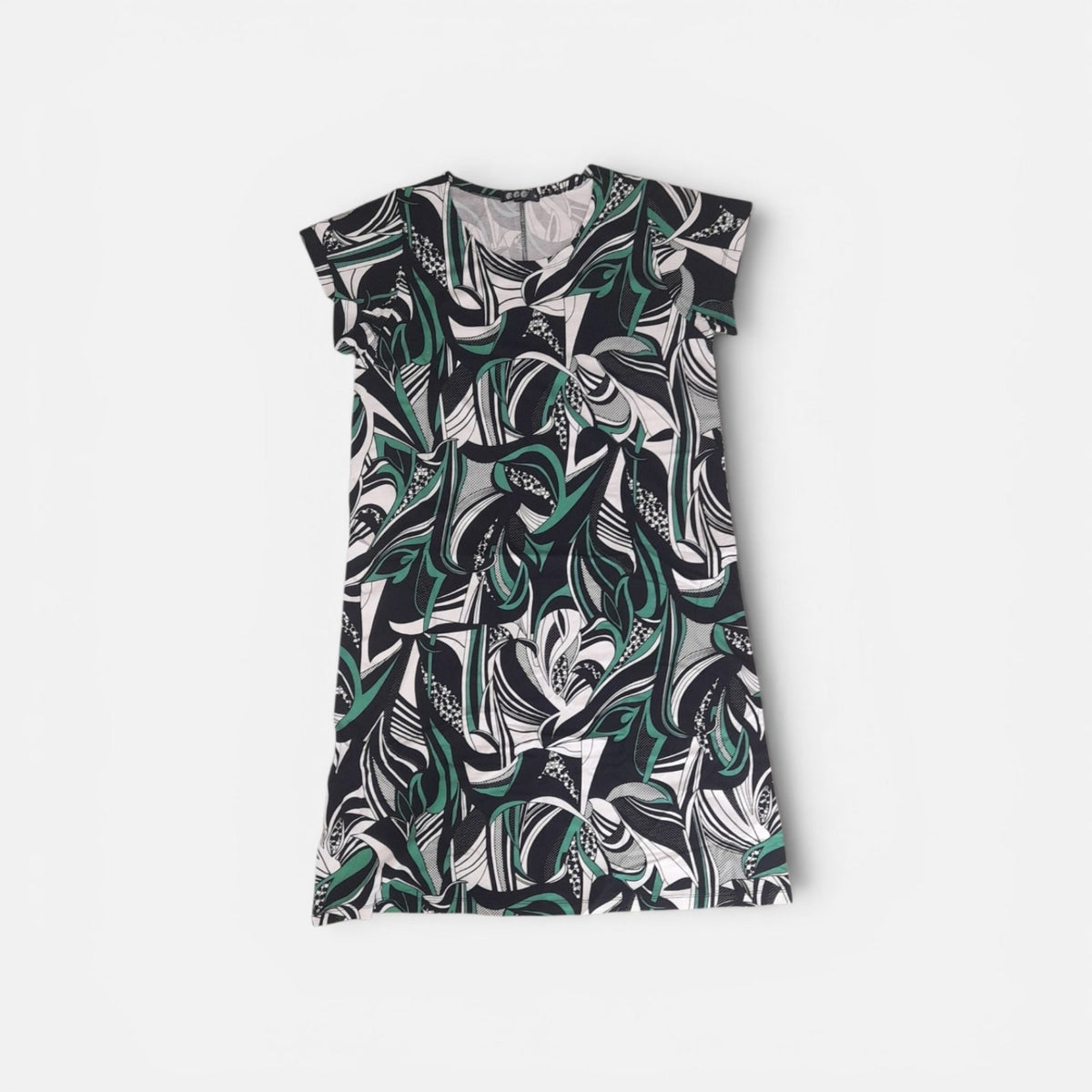
Viscose dress with short sleeves flower classic #23289

Viscose dress with short sleeves flower classic #23289

Regular price €18,90 EUR
Regular price €24,50 EUR Sale price €18,90 EUR
Sale Sold out
Taxes included. Shipping calculated at checkout.
Color: Κυπαρισσί
Size
Quantity

ANS Short Sleeve Summer Dress, Midi Length Knee Length,
Classic line and comfortable with elasticity, cool Viscoze quality, suitable for daily use
Composition: 92% Viscose – 8% Lycra

Greek manufacture with the highest quality materials and an excellent relationship between top quality and price.

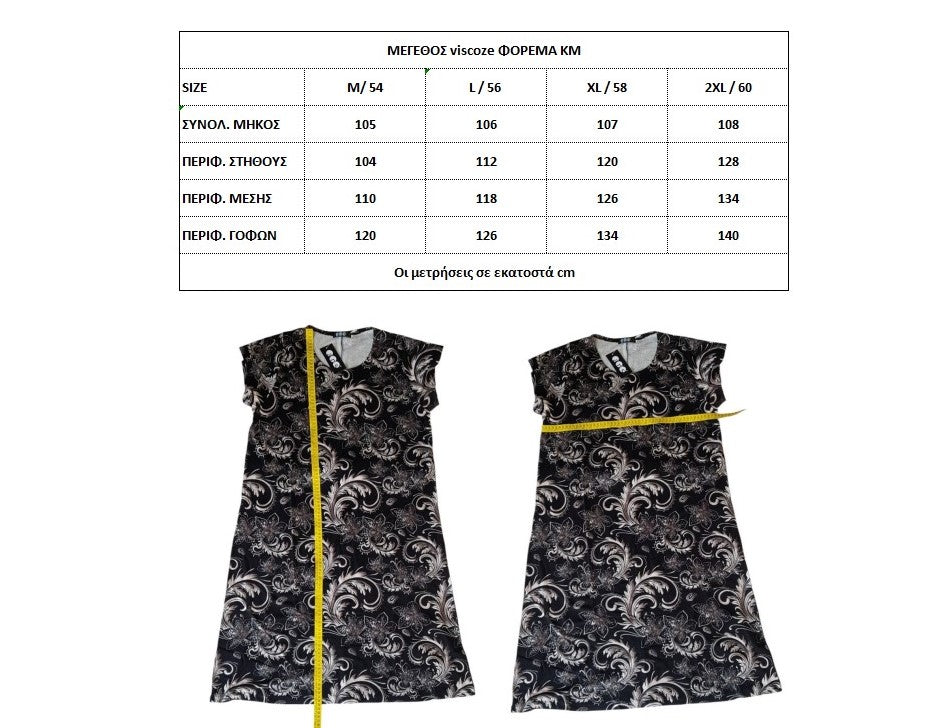
XXL covers chest circumference up to 132cm. Total length 114-115 cm.

Dimensions

MEASURE CORRECTLY

Shipping & Returns

/policies/shipping-policy

  • Changes

    Relax SIMPLY & EASY. The first change to what you bought is subsidized by us and costs €6.50. The change is done as follows: you package the return & hand it over to the courier as soon as he brings the replacement to your door or to a courier station if you wish. If a next one is needed, then the charges follow the respective charges of the carrier depending on the weight and the inaccessibility of the area.

    THE FIRST CHANGE FOR PURCHASES OVER €35 IS FREE.

Care Instructions

Before washing a new garment for the first time, carefully read the label with the washing instructions. Special handling may be needed to keep the colors from fading or completely ruining the fabric. I personally consult the labels before buying an item of clothing. Those that require hand washing or dry cleaning I usually avoid them for obvious reasons. Let's see in detail what these symbols mean.

INSTRUCTIONS

COTTON

Cotton fabrics

Advantages:

1. Hygroscopicity

Cotton fibers have good hygroscopicity. Under normal conditions, the fiber can absorb water in the surrounding atmosphere, and its moisture content is 8-10%, so that it contacts the human skin and makes people feel soft and not stiff. If the humidity of the cotton fabric increases and the ambient temperature is high, the water content of the fiber will evaporate and decompose, so that the fabric maintains a water balance state, which makes people feel comfortable.

2. Resolution

Because cotton fibers are poor conductors of heat and electricity, the heat transfer coefficient is extremely low, and because cotton fibers themselves have porosity and high elasticity, a large amount of air can accumulate between the fibers, and air is a poor conductor of heat, and the electricity, so purely textile cotton fibers have good thermal insulation, and wearing cotton fabrics makes people feel warm.

3. Heat resistance

Pure cotton fabric has good heat resistance. When it is below 110 °C, it will cause water to evaporate in the fabric and will not damage the fiber. Therefore, the cotton fabric is worn at normal temperature, and washing and dyeing do not affect the fabric. Improve the washability and durability of cotton fabrics.

4. Alkali resistance

Cotton fibers are highly resistant to alkalis. The cotton fiber does not break in the alkaline solution. This property is beneficial for washing and sanitizing dirt after washing, and it can also dye and print pure cotton fabrics. Different methods are being developed to produce more new varieties of cotton.

5. Hygiene

Cotton fiber is a natural fiber whose main component is cellulose, containing a small amount of waxy substance and nitrogen and pectin. Cotton fabric has been inspected and practiced in many ways. The fabric comes into contact with the skin without irritation, without side effects, and is beneficial to the human body for a long time and has good hygienic performance.

Disadvantages:

1. It is easy to wrinkle, and it is more difficult to smooth after wrinkle.

2. Easy to shrink, the shrinkage of cotton clothes is 2% to 5%, after special treatment, or washing exception treatment.

3. Easy deformation, lack of flexibility, cotton clothes are easily deformed, especially in summer, because the fabric is relatively thin.

4. Easy to stick, hard to remove completely

5. Not resistant to acid, when concentrated sulfuric acid is dyed with cotton fabric, the cotton fabric is burned into holes. When accidentally catching acids (such as vinegar) on clothes, they should be cleaned in time to avoid fatal damage to clothes caused by acetic acid.

HAIR

Wool is a material that does not need to be washed often. So, woolen coats, jackets, sweaters, do not need to be washed regularly, however 1-2 times a season washing is necessary and today we will show you what is the most correct way to wash and store your woolen.

Why don't woolens need frequent washing? There are two reasons why woolen clothes do not need frequent washing. First, wool contains a special layer around its hairs that repels all kinds of dirt. Also, wool has an antistatic property that helps it not absorb dust and dirt. This of course does not mean that it cannot get dirty, but that it is more difficult to get dirty and absorb stains than other more delicate fabrics.

Washing Washing woolen clothes requires care because there is always the risk of them bunching or overflowing. So you should wash your woolens by hand. Fill a basin with cold (to lukewarm) water and add detergent. The appropriate detergent for woolen fabrics is your baby shampoo. Press your woolen clothes into the basin without rubbing them. Leave them in the basin for 5 minutes and then you can repeat the process with fresh water if any stain persists.

Rinsing Once your woolen clothes are clean, remove them from the basin, empty the water and refill with fresh water. Here you should make sure that the water you put in is the same temperature as the water you previously put in your basin. Squeeze the woolen clothes in the water to dissolve the soapy water. Repeat if necessary and finally empty the basin and squeeze the clothes to remove excess water.

Drying Drying woolen clothes is also very important. Never hang your woolen clothes while they are wet. Spread them horizontally on the drying rack (ideally on towels at first) to dry without overflowing. Avoid direct exposure to the sun. It may take up to 2 days to dry but this way you will be sure that your clothes will not lose their shape.

Iron You should also be careful when ironing. Adjust the iron to the wool scale and be sure to use a cloth (preferably a slightly fresh one). Turn the wool inside out to iron it and don't iron it by moving your hand left and right (as you do with other clothes) but simply by pressing in different places on your garment.

Save Before storing your woolens you should make sure they are clean and dry. Put them in laundry storage bags (vacuum) and add mothballs. Make sure that the mothballs are not in direct contact with your clothes.

Caution Never hang woolens on hangers because they spill very easily.

Extra tips

  • Do not rub woolen clothes in the wash because they will spoil.
  • Remove local stains by using a little vinegar and then washing the clothes in cold water.
  • Never dry your woolen clothes in direct contact with the sun's rays. If you do they will fade.

SYNTHETICS

Synthetic fabric has special characteristics that are not typical of other materials. The main difference is the minimal amount or complete absence of fabric fibers of natural origin in the composition. Most varieties are created by artificially processing raw materials and producing fibers from various chemical components.

The structure of many fabrics belonging to the number of synthetic heterocyclics includes elements such as fluorine, nitrogen, hydrocarbons or chlorine. In addition to these basics, the fabric may include other elements that affect its characteristics. This composition is more typical of polyester, polyamide and polyurethane fibers.

To obtain carbon chain materials, a chemical element such as a hydrocarbon is taken as a base. Like the variegated varieties, such fabrics are extremely durable. They include polyethylene, polyvinyl alcohol, polyacrylonitrile, polyvinyl chloride and polypropylene fabrics. It should be noted that if the synthetic fabric is made on the basis of polyvinyl alcohol, then its elasticity is reduced, but nevertheless it is much higher than the elasticity of natural materials.

Since synthetic fibers are popular for various types of clothing, including those used in different weather conditions, there are GOST standards, according to which the composition of the material must pass a series of tests before production. Such fabrics must be resistant to moisture, low temperatures, bright light. The mandatory characteristic of these materials is durability. Also the dyes that are part of almost all synthetic fabrics must be resistant to external factors.

Polymer fabrics are a favorite for many users, but in relation to some signs, opinions about such a material are divided into opposites. Before buying this or that artificial material, it is recommended to familiarize yourself with the main advantages and disadvantages of synthetics. Among the positive factors are the following.

  • Clothes made of synthetic materials are significantly lower in price than natural fabrics such as wool and silk. At the same time, artificially created analogues are often not inferior to tissues of natural origin in terms of performance during operation.
  • Another advantage of synthetics is that it comes in a huge variety. Among synthetic things you can find clothes of different texture and thickness.
  • Things based on polymer fibers can have different prints, which are not always possible with fabrics of natural origin.
  • Material of this type has a long service life. If in natural fibers fungi, mold and even decay can form over time, then such dangers do not threaten polymeric materials.
  • Linen, silk and wool fabrics can quickly fade or lose brightness. But synthetics are able to retain the original characteristics, since the technology of their coloring occurs in a special way. The polymer material is first subjected to bleaching, and only then - to the dye treatment. This also contributes to its durability.
  • Synthetic materials have significantly less weight compared to their natural counterparts. Even bulky synthetic items are usually lighter than wool sweaters.
  • Unlike linen and cotton materials, synthetic fibers do not warp as much. Many polymer fabrics practically do not crumble, so they do not require hanging on hangers. Some synthetic things cannot be ironed even after washing.
  • It is also worth noting that textile products made from synthetic materials dry faster after washing than fabrics made from natural raw materials
  • However, despite its advantages, synthetic fibers also have some negative characteristics.

    • These tissues do not provide normal body heat exchange. This is due to the fact that the material absorbs moisture poorly. Therefore, clothes made of such fabrics are not suitable for hot weather.
    • If the hygroscopicity of the fabrics is low, then unpleasant odors are very easily absorbed into certain synthetic fibers and remain there until the items are washed. Therefore, the need for laundry may become more frequent.
    • This material is not safe for allergies. Some of them may cause skin irritation after contact with polymer fabrics.
    • Among synthetic fabrics there are toxic materials that can negatively affect health. Therefore, young children are not recommended to wear clothes made of artificial material.
    • Natural materials have a more noble appearance. People who care about their image often prefer clothes made of wool and silk to synthetics, because they, in their opinion, look less aesthetic. However, this disadvantage of synthetics only depends on individual style preferences.
View full details

Reliability & warranty

We avoid the fanfare of sales & offers and proceed with honesty and sincerity to the bottom line, that is, pricing all items at low prices, literally leveling out profit margins. We achieve this thanks to our compressed operating costs and our experience in the markets. We strive to be your choice for your everyday clothing needs or for your gifts for loved ones.
Consistently low prices - Excellent quality - Service .

  • Free Shipping

    For purchases over €64, we zero in on shipping costs. free shipping

    Shipping & cost reductions 
  • Changes

    Relax SIMPLY & EASY. The first change to what you bought is subsidized by us and costs €6.50 . The change is done as follows: you package the return & hand it over to the courier as soon as he brings the replacement to your door or to a courier station if you wish. EXCHANGES FOR PURCHASES OVER €35 ARE FREE.